For many adults with ADHD, the spark at the beginning of a task is bright and exciting. Ideas flow, plans take shape, and the initial push can feel effortless. But somewhere between “started” and “finished”, momentum fades. Projects stall. Energy dips. Deadlines pass. That once-shiny idea gathers dust.
This isn’t laziness or lack of willpower—it’s a predictable executive function challenge. ADHD brains often find starting easier than sustaining effort, especially when rewards are distant, steps are repetitive, or novelty has worn off.
Why Persistence Can Be So Difficult

The executive function at play here is Sustained Attention and Effort—our ability to keep going after the excitement fades. For adults with ADHD, several factors can make this harder:
- Dopamine Drop-Off – New tasks bring novelty, which releases dopamine. Once that wears off, the brain may flag the task as “low reward,” even if it’s important.
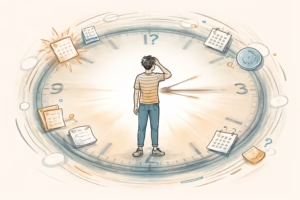
- Time Blindness – Without clear markers of progress, the middle of a project can feel endless.
- Perfectionism – Wanting it “just right” can lead to stalling instead of pushing through.
- Task Switching Costs – Jumping to something more interesting resets progress on the original goal.
Signs You’re Stuck in the Middle
- You have multiple projects at 70–90% completion.
- You regularly underestimate the time and energy needed to finish.
- You avoid opening the project file, folder, or room where the work sits.
- You feel a mix of guilt and dread when reminded of it.
Micro-Goals: Your Anti-Burnout Tool
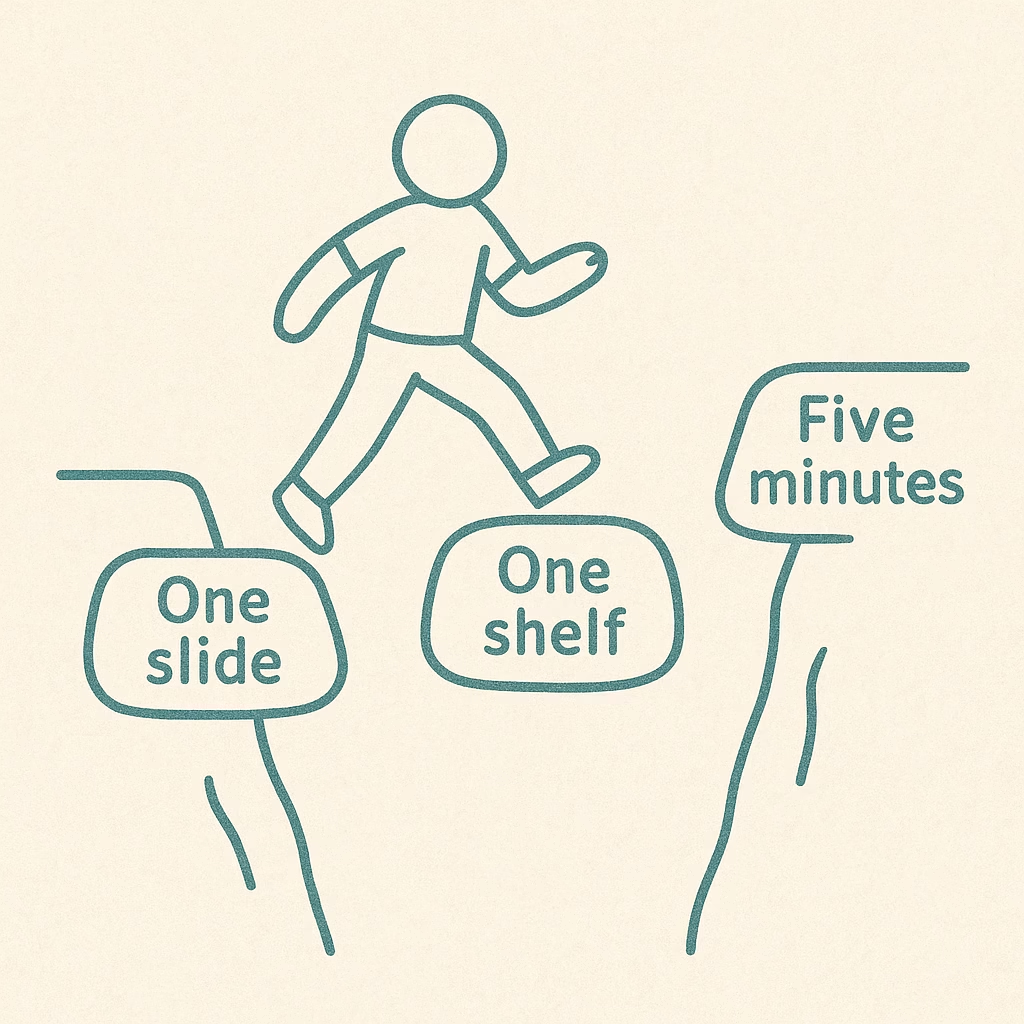
Micro-goals break big, energy-heavy work into tiny, clearly defined actions. For example:
- Instead of “Finish presentation”, try “Add 3 bullet points to slide 5”.
- Instead of “Clean the kitchen”, try “Clear and wipe one counter”.
Why it works for ADHD:
- Each micro-goal creates a clear win, boosting dopamine.
- Small steps reduce the mental barrier to starting.
- They make it easier to restart after interruptions.
Coaching Strategies to Rebuild Persistence
1. Future-Self Check-Ins
Pause mid-project and imagine explaining progress to your future self. What would they thank you for doing today?
2. Energy Mapping
Identify your high-energy windows and put “finishing work” there, not just starting work.
3. Accountability Anchors
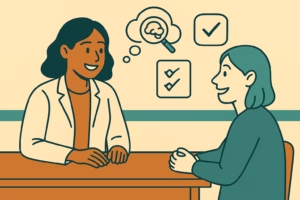
Pair finishing tasks with body-doubling sessions or brief check-ins with a coach or peer.
4. Visual Progress Tracking
Mark off completed steps in a visible way—progress bars, checklists, or post-it trails.
5. Redefine ‘Done for Now’
Decide what a realistic stopping point looks like so perfectionism doesn’t delay closure.
When Burnout Threatens
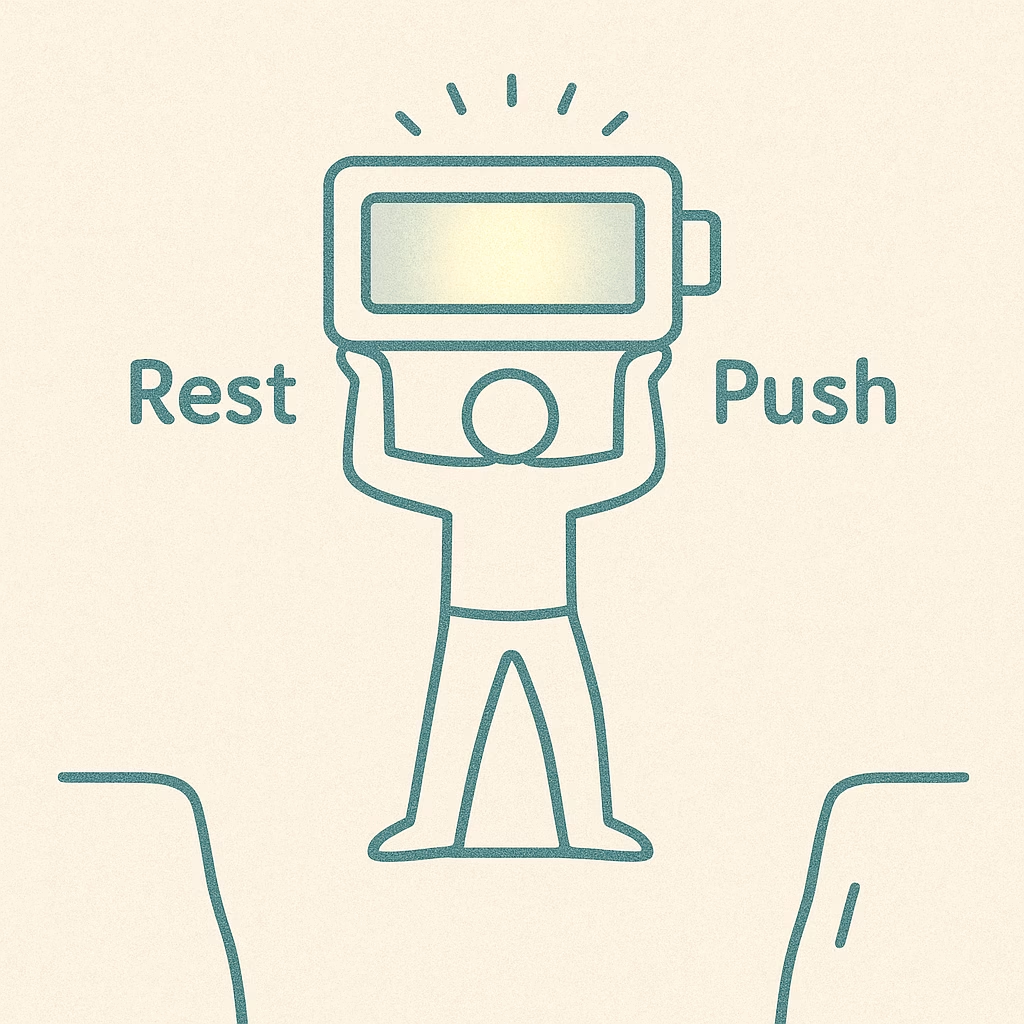
Persistence doesn’t mean pushing until exhaustion. If your body or mind is giving you warning signs—irritability, physical tension, cognitive fog—pause. Rest is not the enemy of progress; it’s the fuel for it.
Coaching tip: Treat energy like a bank account—don’t spend more than you can replenish in the near term.
The Takeaway
Finishing is a skill, not just a decision. With micro-goals, clear progress markers, and sustainable routines, persistence becomes less about willpower and more about structure. The goal isn’t just to finish more often—it’s to finish without burning out in the process.