Introduction
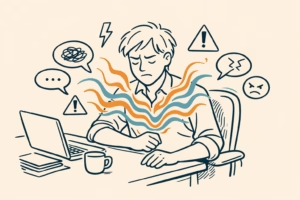
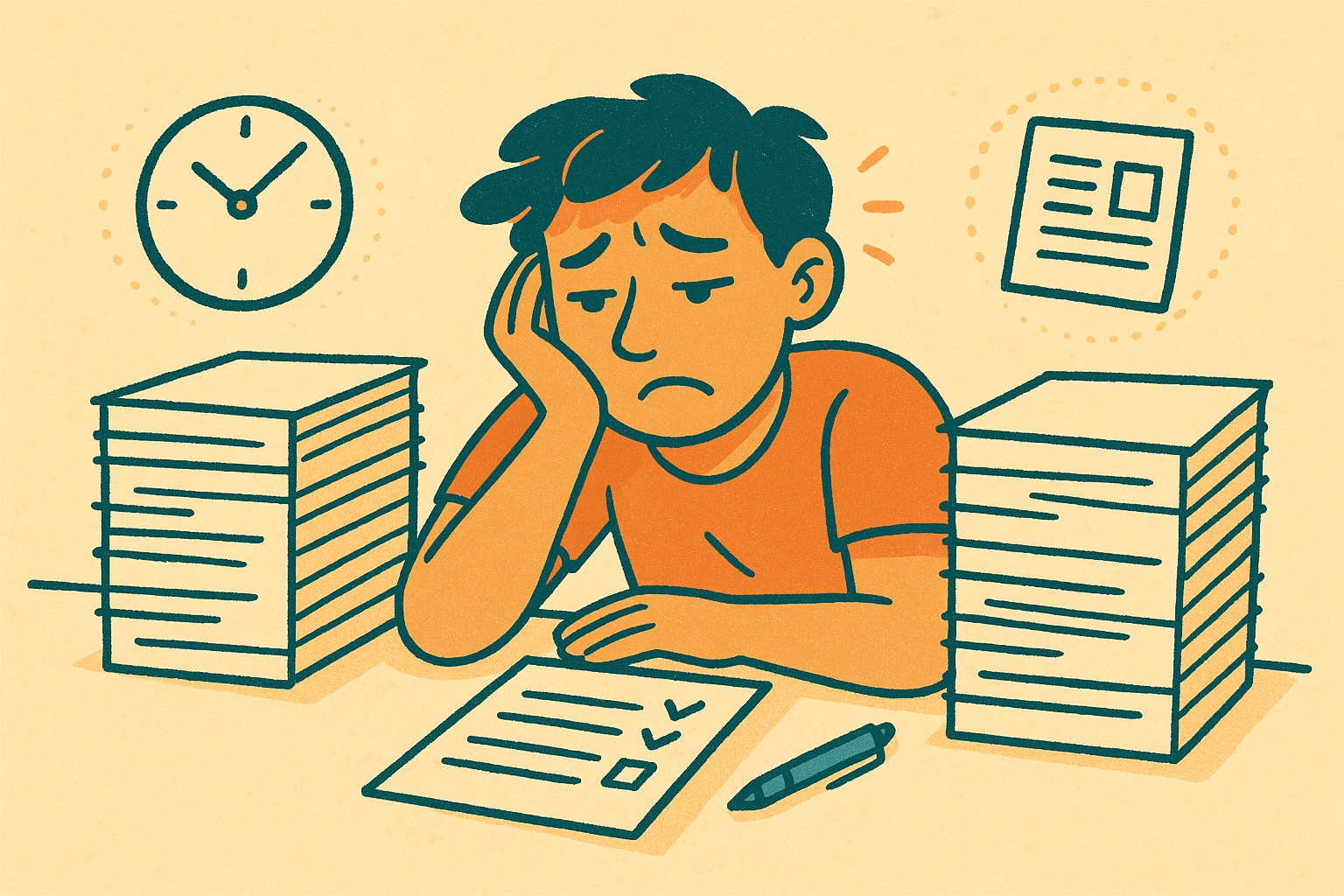
If you live with ADHD, you may know the feeling: you sit down to complete a simple, repetitive task and suddenly your mind drifts. The more routine the work, the harder it feels to stick with it. Emails remain half-written, spreadsheets full of errors, or projects are delayed because “boring” tasks are left undone. You’re not lazy—your brain is wired differently, and monotony can feel like a real barrier.
Why It Matters

This difficulty links directly to executive functions—skills like focus, persistence, and organisation. For ADHD brains, tasks that lack novelty or stimulation don’t trigger enough dopamine to keep momentum going. Instead, the brain goes into avoidance mode. Left unchecked, this can affect professional reputation, workplace relationships, and self-esteem.
(See our Executive Functions & Core ADHD Skills page for more on how these brain processes work.)
Everyday Signs
You might recognise yourself if:
- You keep putting off filling in repetitive forms or timesheets.
- You make small mistakes in data entry because your mind wanders.
- You procrastinate on “boring” admin until deadlines create panic.
- You start projects with energy but avoid the routine follow-up steps.
These patterns are common in ADHD—and they don’t mean you’re incapable. They highlight where the ADHD brain needs structure and support.
Practical Strategies & Coaching Tips
Here are some step-by-step ways to make routine work more manageable:
- Chunk the task: Break large, repetitive tasks into 10–15 minute bursts. Use a timer to create urgency.
- Add stimulation: Pair tasks with upbeat music, a standing desk, or movement breaks. Stimulating the senses helps the brain stay engaged.
- Gamify it: Turn tasks into challenges (e.g., “How many entries can I complete before the timer goes off?”).
- Externalise accountability: Tell a colleague, friend, or your coach when you’ll finish. ADHD brains respond well to social commitment.
- Stack habits: Attach boring tasks to existing routines. For example, “I’ll do five minutes of emails right after making my morning coffee.”
- Reward completion: Plan a small reward—a walk, a snack, or five minutes of something enjoyable—once the routine task is done.
(For more strategies, see our article on Fighting Distraction: How to Stay on Task).
Coaching Perspective
In ADHD coaching, we don’t treat routine avoidance as failure. Instead, we explore what drives the avoidance: boredom, overwhelm, or perfectionism. Together, we experiment with tools—like time-chunking, accountability partners, or values-based reframing—to help you finish tasks without burning out. Coaching provides a safe space to recognise patterns and build strategies that actually work for your unique brain.
When It’s Harder Than Usual

Sometimes routine tasks feel impossible no matter what you try. This might happen during times of stress, low mood, or co-occurring conditions such as anxiety or depression. In these cases, additional support—from your GP, a therapist, or workplace adjustments—may be needed. You don’t have to face it alone.
The Takeaway
Struggling with monotonous or routine tasks is not a character flaw—it’s a feature of how ADHD brains process motivation and focus. With the right strategies, support, and coaching, you can reduce errors, finish projects, and feel more confident at work. Small shifts make a big difference.
Ready to explore how ADHD coaching could help you with routine tasks? Book a free consultation today.